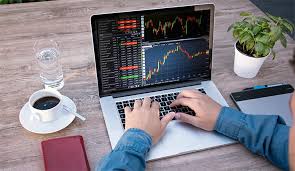
Understanding the Forex Trading Business
The Forex trading business, a blend of art and science, is one of the most dynamic markets in the world. It operates 24 hours a day, allowing traders to capitalize on global financial movements. With a daily trading volume exceeding $6 trillion, the Forex market dwarfs all other financial markets combined. In India, this business has gained substantial traction, leading to the emergence of various forex trading business Indian Trading Platforms that cater to aspiring and experienced traders alike.
Forex trading involves the buying and selling of currency pairs, where one currency is exchanged for another. It operates on the principle of speculation, where traders predict the movement of currencies based on geopolitical indicators, economic data, and market trends. Success in Forex trading requires comprehensive knowledge, disciplined strategy, and source analysis that blends fundamental and technical dimensions.
The Market Structure
The Forex market comprises various participants, including banks, financial institutions, corporations, and individual traders. It functions through a decentralized structure with no single central exchange, making it uniquely accessible. Transactions occur over-the-counter (OTC) through electronic networks, which allows for instant trade execution, even in volatile market conditions.
Currency Pairs
At the heart of Forex trading are currency pairs, typically categorized into three groups: major, minor, and exotic pairs. Major pairs are the most traded and include currencies like the US Dollar (USD), Euro (EUR), and Japanese Yen (JPY). Minor pairs consist of less frequently traded currencies, while exotic pairs involve combinations of major currencies with emerging market currencies. Understanding the nuances of these pairs is critical for traders as different levels of liquidity and volatility affect the trading strategies employed.
Strategies for Success
Mastering Forex trading requires a well-defined strategy. Traders often adopt various approaches, such as scalping, day trading, swing trading, and position trading. Each strategy caters to different trading styles, risk appetites, and market conditions.
Scalping
Scalping focuses on capitalizing on small price movements over short periods. Scalpers execute multiple trades in a single day, aiming for tiny profits that add up. This strategy requires intense concentration, quick decision-making, and a robust technical analysis toolkit.
Day Trading
Day trading involves opening and closing positions within the same trading day. Day traders avoid the risks associated with overnight holdings. This strategy requires a solid grasp of market trends and strict discipline to manage emotions.
Swing Trading
Swing trading allows traders to capture larger price movements over several days or weeks. This approach balances technical analysis and macroeconomic factors, making it suitable for those who cannot devote the entire day to monitoring the markets.
Position Trading
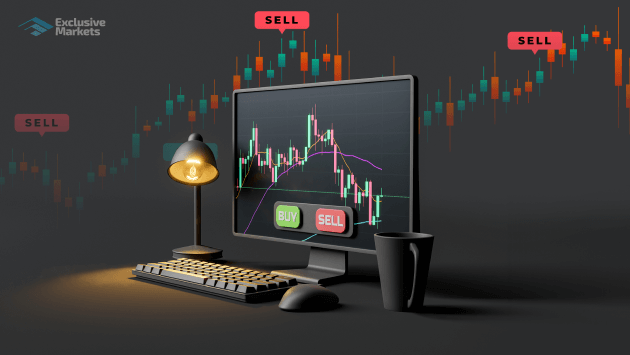
Position trading is the longest-term approach, often based on fundamental analysis. Traders hold positions for weeks, months, or even years, banking on significant economic changes or trends. This strategy requires patience and a deep understanding of market indicators.
Risk Management
In Forex trading, managing risk is as vital as executing a successful trade. Effective risk management strategies can protect a trader’s capital and maintain psychological stability. Key components of risk management include setting stop-loss and take-profit orders, determining position sizes, and implementing diversification strategies.
Setting Stop-Loss Orders
Stop-loss orders are essential for limiting potential losses. By automatically closing positions when a trade moves against a predetermined amount, traders can safeguard their investment against excessive losses, allowing them to trade with more confidence.
Position Sizing
Position sizing determines how much of a trader’s capital to risk on a single trade. This practice helps in minimizing exposure and ensures that no single loss will significantly impact the overall trading portfolio. Calculating position size involves assessing account equity, risk percentage, and the distance to the stop-loss level.
Diversification
Like other forms of investing, diversification can help mitigate risk in Forex trading. By spreading investments across various currency pairs and not concentrating on a single market, a trader can potentially reduce the overall volatility of their portfolio.
Tools and Resources
Successful Forex traders utilize a plethora of tools and resources to refine their strategies and enhance their decision-making processes. These include:
- Trading Platforms: Robust trading platforms provide essential analysis, tools, and functionalities, allowing traders to execute trades seamlessly.
- Technical Indicators: Tools like moving averages, RSI, and MACD help in technical analysis, identifying market trends and potential reversal points.
- Economic Calendars: Staying informed about economic events and announcements that can affect currency movements is crucial for strategic decision-making.
- Trading Journals: Keeping track of trades, emotions, and outcomes can help in recognizing patterns and improving performance over time.
The Future of Forex Trading
As globalization continues to integrate economies and technology advances, the Forex market will likely evolve. The rise of artificial intelligence, blockchain technology, and automated trading systems represents the potential for enhanced trading efficiencies and opportunities. Additionally, the emergence of Indian trading platforms signifies a growing market, where increased participation can lead to more diverse trading strategies and innovations.
In conclusion, the Forex trading business offers immense opportunities for profit, albeit laden with risks. Successful traders must continuously educate themselves, adapt to market conditions, and refine their strategies. With discipline, patience, and proper risk management, anyone can navigate the complexities of Forex trading and potentially unlock its financial rewards.