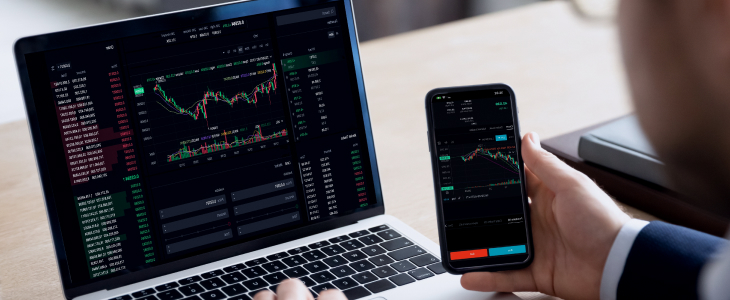
Unlocking Forex Trading Signals for Success
In the fast-paced world of Forex trading, the right signals can be the key to achieving remarkable success. Whether it’s a beginner or an experienced trader, understanding Forex trading signals is vital. A Forex trading signal is a suggestion or indication of when to buy or sell a currency pair. These signals are generated based on a variety of indicators, technical analysis, market news, and trading strategies. To further enhance your trading journey, consider utilizing a reliable forex trading signals Trading Platform TH, which provides essential resources and tools for traders.
What Are Forex Trading Signals?
Forex trading signals can be either manual or automated. Manual signals are generated by experienced traders or analysts who use their knowledge and expertise to analyze the market. Automated signals, on the other hand, are generated by algorithms or trading systems based on pre-defined criteria. Signals can be delivered through various channels, including email, SMS, social media, or trading platforms.
Types of Forex Trading Signals

There are numerous types of Forex trading signals, each with its own focus and methodology. Understanding these types can help traders choose the right signals to suit their trading style and objectives.
- Technical Analysis Signals: These signals are based on the analysis of price patterns, trends, and technical indicators. Traders often use tools such as moving averages, RSI (Relative Strength Index), and MACD (Moving Average Convergence Divergence) to identify potential trading opportunities.
- Fundamental Analysis Signals: Fundamental analysis focuses on economic indicators, geopolitical events, and market sentiment. Traders who utilize this type of signal keep a close eye on news releases that impact currency values, such as interest rate changes, employment reports, or GDP growth.
- Sentiment Signals: Sentiment signals gauge the overall mood of the market. They can be derived from various sources, including trader sentiment surveys and open interest data. These signals help traders understand if the market is bullish or bearish, guiding them in their trade decisions.
- Social Trading Signals: Social trading platforms allow traders to share their insights and strategies with others. By following experienced traders, beginners can leverage their knowledge and receive signals based on proven results.
How to Use Forex Trading Signals Effectively
Using Forex trading signals effectively requires a solid understanding of your trading goals, risk tolerance, and market conditions. Here are some strategies to make the most of these signals:
- Choose Reliable Sources: It’s crucial to rely on trustworthy providers of Forex trading signals. Do thorough research to find platforms or traders with a proven track record and positive reviews.
- Understand the Signals: Don’t just blindly follow signals. Take the time to understand the rationale behind each signal and how it fits into your overall trading strategy. This knowledge will help you make informed decisions.
- Keep a Trading Journal: Documenting your trades, including the signals you followed, can help you identify patterns and improve your decision-making over time. Review your journal periodically to learn from your successes and mistakes.
- Manage Your Risk: Always use proper risk management techniques when trading based on signals. Set stop-loss orders and only risk a small percentage of your trading capital on each trade to protect yourself from significant losses.
- Combine Signals with Your Own Analysis: While Forex trading signals provide valuable insights, combining them with your own analysis can improve your trading accuracy. Look for confluence between signals and your technical or fundamental analysis.
The Advantages of Using Forex Trading Signals
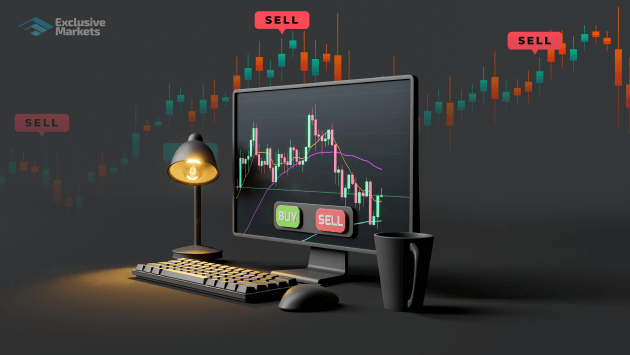
Forex trading signals can offer several advantages to traders of all levels:
- Time-Saving: Signals save traders time by providing ready-made trading ideas, allowing them to focus on executing trades rather than analyzing charts or market news constantly.
- Increased Accuracy: Professional analysts and automated systems often have a better grasp of market dynamics, leading to more accurate trading decisions based on research and data analysis.
- Learning Opportunity: Beginners can learn from following signals and observing how experienced traders interpret market movements and make decisions.
- Enhanced Market Insight: Signals can provide insights into market trends and shifts that traders may not have noticed otherwise, expanding their understanding of market behavior.
Challenges and Risks Associated with Forex Trading Signals
Despite the many benefits, there are also challenges and risks to be aware of:
- No Guarantees: Forex trading signals are not foolproof; they are based on probabilities and analysis. Not every signal will lead to a profitable trade.
- Over-Reliance: Relying solely on signals can lead traders to neglect their own analysis and understanding of the market.
- Market Volatility: The Forex market can change rapidly due to unexpected events, making timely execution essential. Delays in receiving signals can impact trade outcomes.
- Cost of Services: Some signal services charge fees, which may not be suitable for every trader’s budget. Weigh the costs against potential returns before subscribing.
Conclusion
Forex trading signals can be a valuable asset for traders looking to enhance their trading strategies and make informed decisions. By understanding the different types of signals, how to use them effectively, and being mindful of their limitations, traders can leverage these resources to their advantage. Combining signal analysis with personal insight, proper risk management, and continual learning can lead to improved trading outcomes in the dynamic world of Forex trading.